
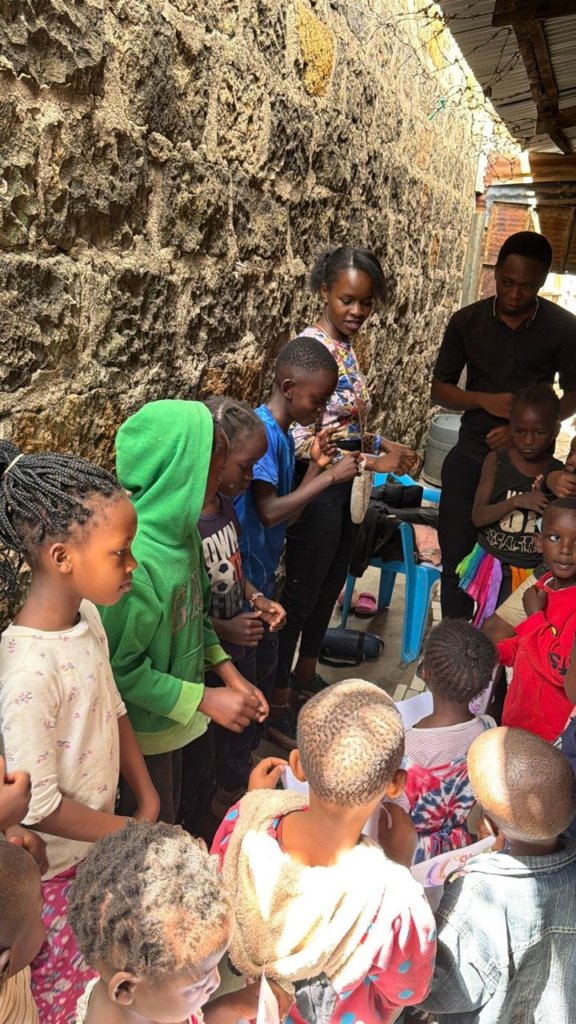
One of the activities in a Dorcas Destiny International mission trip is to bring supplies to teach children basic hygiene habits that protect their health and restore their dignity. In all of the communities we serve, children grow up without proper hygiene guidance, not because families do not care, but because access to clean water, hygiene supplies, and health education is limited.
Hygiene may seem simple, but it plays a powerful role in a child’s daily life. When children are taught how to care for their bodies, they are better protected from illness, more confident in social settings, and more able to participate fully in school and community life.
Why Hygiene Education Is a Critical Need
Poor hygiene is one of the leading causes of preventable illness among children worldwide. According to the World Health Organization, unsafe hygiene practices contribute significantly to diarrheal diseases, which remain a leading cause of sickness and death among children under five. UNICEF also reports that many children globally do not have access to basic handwashing facilities with soap and water, both at home and in schools.
When children lack hygiene education, they are more likely to experience frequent illness, miss school, and struggle with confidence. Over time, this affects not only their physical health, but also their emotional well-being and academic progress.
Hygiene education is not about perfection. It is about teaching children what is possible with the resources they have and helping them understand that caring for their bodies matters.
How Mission Trips Support Hygiene Education
During mission trips, Dorcas Destiny International teaches hygiene in ways that are practical, respectful, and easy to understand. The goal is not to overwhelm children with rules, but to help them build simple habits they can practice every day.
Hygiene education during mission trips often includes:
- Teaching proper handwashing techniques using soap and clean water
- Explaining how germs spread and how hygiene prevents sickness
- Encouraging daily habits such as bathing, brushing teeth, and clean clothing
- Demonstrating hygiene routines through hands-on activities
- Providing basic hygiene supplies when possible
These lessons are interactive and child-friendly. Children are encouraged to ask questions and participate, making learning feel supportive rather than instructional.
The Link Between Hygiene and Education
Good hygiene directly supports education. According to UNICEF, children who are frequently sick are more likely to miss school and fall behind academically.
When children stay healthy, they attend school more regularly, focus better in class, and feel more confident around their peers. Hygiene education helps remove one of the many barriers that prevent children from reaching their full potential.
In many communities, children who learn hygiene habits also take that knowledge home, teaching siblings and family members. This creates a ripple effect that improves the health of entire households.
Small Lessons That Create Lasting Impact
A single hygiene lesson can change a child’s routine forever. Something as simple as washing hands before eating or after using the restroom can significantly reduce illness. Over time, these small habits lead to stronger bodies, better attendance in school, and increased self-esteem.
There is also a strong connection between hygiene and emotional well-being in children, as poor hygiene can lead to feelings of shame, anxiety, and social withdrawal, while good hygiene supports confidence and a positive self-image
Serving With Compassion and Purpose
Teaching hygiene reflects the heart of Dorcas Destiny International’s mission work. It is about meeting children where they are and offering support that is practical, respectful, and empowering.
Through mission trips, DDI continues to serve children by addressing real needs and sharing knowledge that lasts long after the trip ends. Hygiene education is not just about cleanliness, it is about dignity, confidence, and hope for a healthier future.
To learn more about our mission work and how you can support these efforts, visit www.dorcasdestinyintl.org.