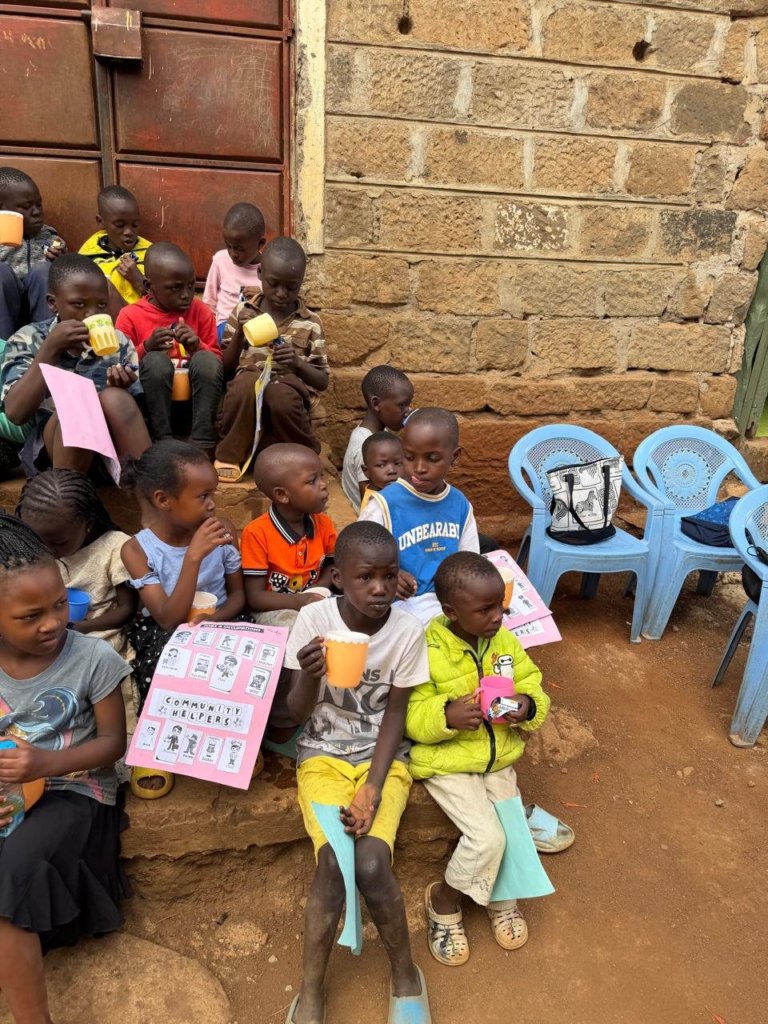
To most children in the vulnerable communities, school serves not only as a learning center, but a place where they get to eat a healthy meal. Hunger is still among the most significant barriers to education, as it influences concentration, attendance, and overall development. With the regular school meals, children get to not only be fed physically, but also get the confidence and the energy to make it through in academics and socially.
The Importance of School Meals
According to the World Food Programme, more than 66 million primary school children all over the world are going to school starving, with close to 23 million in Africa alone. In Kenya, chronic malnutrition is experienced by 26% of children under five years of age, and it retards growth and cognitive development. Lack of proper nutrition means that children find it hard to concentrate in classes, to engage in activities and to achieve their potential.
Consistency of meals in school will guarantee that the children are well-energized and focused on learning. It also gives them a sense of being secure and dignified as they know that their fundamental needs are being addressed.
“A child who is nourished is a child who can dream, learn, and grow.” — Unknown
How School Meal Initiatives Make a Difference
School lunch programs provide lunches that are balanced, nutritious, and offer proteins, grains, and vegetables, which serve the daily nutritional requirements of growing children. These programs are not only beneficial in terms of physical health, but they also increase attendance and participation.
Studies show that children with access to regular school meals are up to 30% more likely to attend school consistently. Teachers report better classroom participation, higher energy levels, and improved academic performance among students who receive regular meals.
This support is very crucial to the development of many children since they may not get another meal in a day, and the meal in school gives them confidence and boosts their self-esteem, which is vital to their social growth.
The Broader Impact on Families and Communities
The meal programs in schools also decongest families that are struggling to make ends meet by providing meals daily. According to UNICEF, such programs can help families save up to 10–15% of their household income, allowing them to invest in other essentials like healthcare and school supplies. Also, local sourcing of food to local farmers enhances the community by fostering local business and agriculture by small players. This establishes a self-sustaining cycle of development, food and financial prospects.
Overcoming Challenges
Even being successful, school meal programs have the disadvantages of fund shortages, increasing prices of food and logistical constraints. These programs need to be supported further with the help of donors, NGOs, and community members to continue and reach more children in need.
Feeding Futures, One Child at a Time
Giving the children healthy meals is not only about feeding the body but also about giving them the power to learn, grow and perform. The food in schools becomes an investment in the confidence, the resilience, and the future of a child.
Through school lunch programs, we are able to see that an increasing number of children will become strong, healthy, and prepared to take advantage of educational opportunities.
Learn more about supporting children’s growth and well-being through nutrition at www.dorcasdestinyintl.org.